
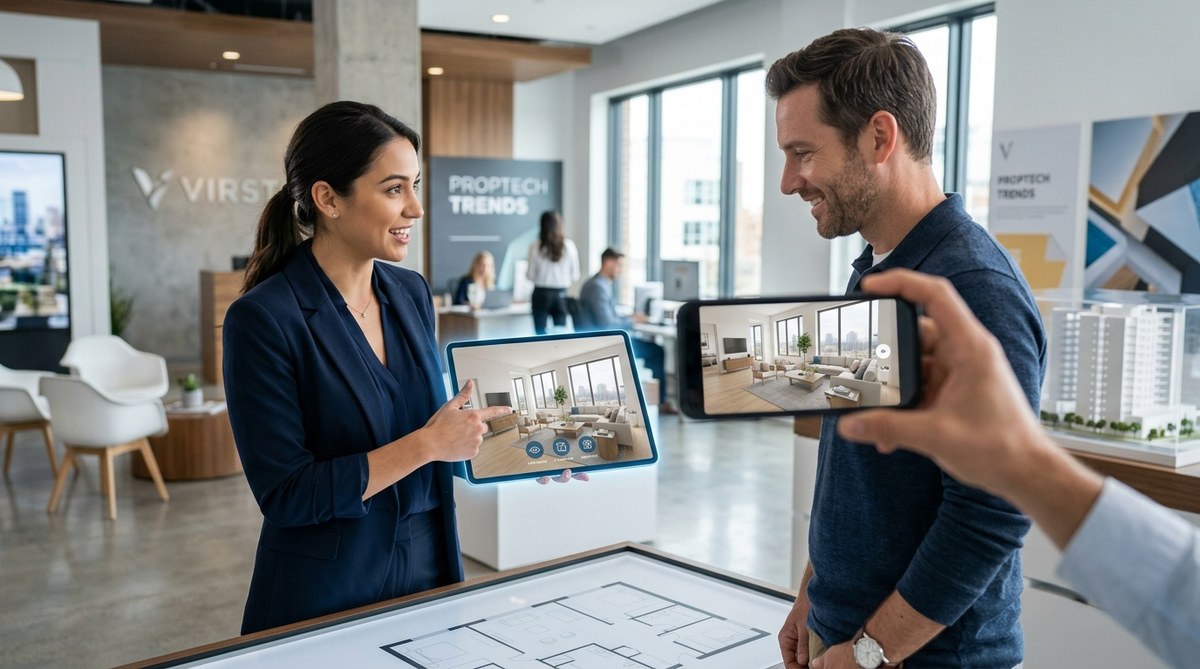
Augmented reality is reshaping the way real estate professionals present properties. Instead of static photos and brochures, AR offers immersive, interactive experiences that captivate clients and make viewing homes more engaging than ever before. Whether you’re an agent, a marketer, or a tech-savvy broker, understanding how to harness AR can set your listings apart in a crowded market. It’s not just about cool tech; it’s about creating memorable, impactful property experiences that drive faster sales and happier clients.
Augmented reality real estate showcasing turns traditional property marketing into an immersive experience. It boosts engagement, helps buyers visualize homes better, and speeds up decision-making, making it a vital tool for modern real estate professionals.
How augmented reality is changing property presentations
The digital shift in real estate has accelerated rapidly, and AR stands at the forefront. Instead of relying solely on photographs or in-person visits, AR allows potential buyers to experience a property virtually, anytime and anywhere. This technology bridges the gap between imagination and reality, making property viewing more interactive and personalized. It’s especially helpful for off-market listings, new developments, or properties in distant locations.
Imagine a client walking through a virtual home from their living room or seeing how furniture fits into a space without physically moving a single item. This level of interactivity helps clients make confident decisions, reduces the number of unqualified visits, and shortens the sales cycle.
Practical steps to implement augmented reality showcasing in your real estate business
Adopting AR might seem complex at first, but breaking it down into manageable steps makes it accessible for any agency or agent.
-
Identify your goals and target audience
Define what you want to achieve. Are you aiming to attract remote buyers, showcase new developments, or enhance your existing listings? Knowing your audience helps determine the right AR tools and content. -
Choose the right AR tools and platforms
Select user-friendly software that suits your needs. Many platforms offer no-code solutions for creating virtual tours or virtual staging. For more advanced options, consider partnering with AR developers or using established services like UniteAR or Fingent. -
Create high-quality 3D models and virtual content
Develop realistic 3D representations of properties. This can include full virtual walkthroughs, interactive floor plans, or virtual staging with furniture and decor. Focus on accuracy and detail to ensure a seamless experience. -
Integrate AR into your marketing channels
Embed AR experiences into your website, property listings, or social media. Make it easy for clients to access these virtual tours through smartphones, tablets, or AR headsets. Promote the technology as a key differentiator. -
Train your team and gather feedback
Ensure your staff understands how to use AR tools effectively. Collect client feedback to refine and improve the experience continually.
Techniques to use and pitfalls to avoid
| Techniques | Mistakes to Avoid |
|---|---|
| Using photorealistic 3D models | Relying on low-quality graphics |
| Incorporating interactive elements | Ignoring user interface design |
| Providing mobile-friendly AR | Neglecting accessibility features |
| Promoting AR experiences actively | Overloading content with unnecessary features |
“The key to successful AR showcasing is realism and ease of use. When clients feel immersed and can navigate smoothly, they are more likely to convert into buyers.”
How augmented reality enhances real estate marketing
AR brings multiple benefits to property marketing efforts. It increases engagement, provides clarity, and helps clients visualize spaces better. Here are some of the main advantages:
- Enhanced visualization: Buyers can virtually walk through a property, experiencing spatial layouts and design elements firsthand.
- Customizable experiences: Clients can see different interior styles, furniture arrangements, or renovation options without physical modifications.
- Time saving: Virtual tours reduce the need for multiple in-person visits, especially for distant buyers.
- Increased trust: Interactive experiences demonstrate professionalism and innovation, building confidence in your services.
- Competitive edge: Early adoption of AR makes your listings stand out in a crowded marketplace.
Practical tips for maximizing AR impact
- Offer AR experiences as part of your standard listing package.
- Use AR to visualize renovation or staging possibilities.
- Combine AR tours with live virtual walkthroughs for a hybrid experience.
- Use social media to showcase immersive property views that attract attention.
Real-world examples of augmented reality in action
Many real estate firms are already reaping the benefits of AR. Here are some use cases illustrating how AR transforms property showcasing:
- Residential sales: Agents enable clients to virtually tour homes from anywhere, leading to quicker offers and fewer canceled viewings.
- New developments: Developers use AR to help buyers visualize floor plans and interior finishes before construction is complete.
- Rental properties: Landlords showcase furnished and unfurnished options through AR, increasing tenant interest.
- Commercial real estate: Brokers demonstrate office layouts and spatial configurations virtually, saving time and reducing physical staging costs.
Future trends in augmented reality for real estate
The potential of AR continues to grow. Upcoming innovations include more realistic virtual staging, integration with artificial intelligence for personalized experiences, and augmented reality apps that overlay property data directly onto physical spaces. As 5G networks expand, AR experiences will become smoother, more detailed, and accessible to broader audiences.
“Keep an eye on AR advancements, as they will soon become standard in property marketing. Staying ahead means offering clients immersive experiences that are second to none.”
Final thoughts on transforming property showcasing with AR
Incorporating augmented reality into your real estate marketing strategy is no longer optional. It’s a powerful way to engage clients, streamline sales processes, and showcase properties in ways that static images simply cannot match. Start small by experimenting with virtual tours or staging, then scale up as you see results. The future of property marketing is interactive, and AR is leading the charge.
By embracing this technology, you set your listings apart and create memorable experiences that turn browsers into buyers. The next step is to explore the right tools, develop compelling content, and share your virtual visions with clients eager for innovative property solutions.
Ready to elevate your property presentations?
Take the first step toward immersive, engaging property showcases by exploring available AR tools today. Your clients will thank you for it.