
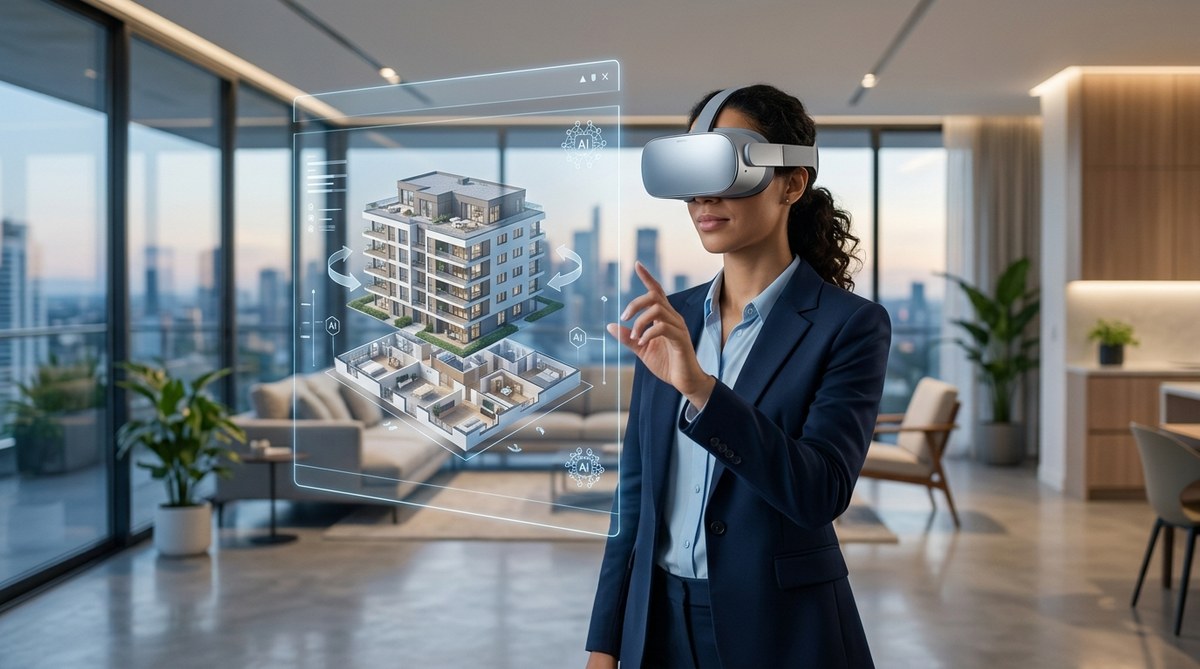
AI virtual tours are revolutionizing the way properties are marketed and experienced. As the real estate landscape shifts toward digital-first strategies, AI-driven virtual tours stand out as a game-changer. They allow potential buyers to explore homes from anywhere, providing a richer, more interactive experience than traditional photos or videos. This technology not only accelerates the buying process but also broadens reach, making properties accessible to a global audience. For real estate professionals, understanding and leveraging AI virtual tours is becoming essential to stay competitive in a rapidly evolving market.
AI virtual tours in property technology are transforming how agents and buyers engage with real estate. They offer immersive, accessible experiences that speed up sales, expand reach, and create more engaging listings. Staying ahead means adopting this innovative tool to meet modern buyer expectations and enhance your marketing strategy.
The rise of AI virtual tours in property technology
The real estate industry has always relied heavily on visual content. From listing photos to open house events, showcasing a property effectively has been crucial. But as technology advances, so do the ways buyers can experience homes. AI virtual tours bring a new level of immersion and convenience, making it possible for buyers to virtually walk through a property in detail without leaving their current location.
AI-driven virtual tours combine 3D visualization, augmented reality, and intelligent algorithms to create interactive, realistic representations of homes. These tours can be customized, updated instantly, and integrated with other digital tools, making them a vital part of modern real estate marketing.
How AI virtual tours work
AI virtual tours rely on several key processes to deliver seamless experiences:
- Data capture: Using 3D cameras and scanners, agents or service providers capture detailed images and spatial data of a property.
- Processing and rendering: AI algorithms process this data to generate accurate 3D models and virtual walkthroughs.
- Interactivity: Buyers can navigate through the home, zoom into details, and sometimes even customize features like furniture or decor.
- Analytics integration: The technology can record how users interact with the tour, providing insights into buyer preferences and engagement.
Practical steps to implement AI virtual tours
If you want to adopt AI virtual tours into your property listings, follow these steps:
- Choose the right software: Select AI-enabled virtual tour platforms like Matterport, Zillow 3D, or EyeSpy360 that suit your budget and needs.
- Capture high-quality data: Use professional-grade 3D cameras or hire a specialist to ensure your virtual tours are detailed and realistic.
- Integrate with your listings: Embed virtual tours on your website, MLS, and social media platforms to maximize exposure.
- Analyze and optimize: Use analytics to understand viewer behavior and refine your tours for better engagement.
Why virtual tours are essential now
Buyers’ behavior has shifted dramatically. According to recent surveys, a significant majority now expect virtual tours before scheduling a physical visit. They save time, reduce unnecessary showings, and provide a sense of the property’s flow and space that static images cannot.
For agents, virtual tours also expand your reach beyond local markets. International buyers, busy professionals, or those unable to travel can explore properties at their convenience, making your listings more appealing and competitive.
The benefits of AI virtual tours in property marketing
AI virtual tours offer a range of advantages that traditional property marketing methods cannot match:
- Enhanced engagement: Interactive tours hold viewers’ attention longer and increase interest.
- Faster sales cycles: Buyers can make quicker decisions after exploring a property virtually.
- Broader reach: Virtual tours attract remote or international clients, expanding your market.
- Cost savings: Reduce the number of physical showings needed, saving time and resources.
- Data-driven insights: Analytics inform you about what buyers focus on, helping tailor your marketing.
Real-world examples of AI virtual tour success
Many firms have seen measurable improvements. For example, a boutique real estate agency reported a 40 percent increase in inquiries after integrating AI virtual tours into their listings. Another property developer used virtual tours to pre-sell units before construction ended, accelerating cash flow.
Common pitfalls and how to avoid them
While AI virtual tours are powerful, some mistakes can diminish their effectiveness:
| Technique | Mistake | Solution |
|---|---|---|
| High-quality data capture | Rushing the scanning process | Invest in professional equipment or services |
| Overloading tours with info | Cluttering the experience | Keep tours clean and focus on key features |
| Ignoring analytics | Missing opportunities for improvement | Regularly review user data and refine tours |
| Poor integration | Embedding tours poorly | Ensure tours are seamlessly embedded on all platforms |
| Neglecting updates | Outdated content | Update tours regularly to reflect changes |
“The key to successful virtual tours is authenticity,” advises real estate tech expert Lisa Carter. “Make sure your virtual experience accurately reflects the property and provides genuine value to viewers.”
Mistakes to watch out for
- Using low-resolution images or outdated scans
- Overcomplicating navigation, making it hard to move through the tour
- Forgetting to promote the virtual tour across channels
- Overpromising on features that aren’t available in the actual property
The future of virtual tours and AI in real estate
Looking ahead, AI virtual tours will become smarter and more personalized. Future developments may include AI-powered chatbots embedded within tours, guiding viewers and answering questions in real time. Augmented reality overlays could allow buyers to virtually decorate or visualize renovations.
The integration of AI with other PropTech tools will facilitate predictive analytics, helping agents identify promising leads and tailor marketing strategies. The goal is a seamless, immersive experience that feels as real as being there in person.
How to stay ahead
- Invest in high-quality AI virtual tour technology
- Regularly update your virtual content
- Use analytics to understand viewer behavior
- Combine virtual tours with other digital marketing strategies
- Keep an eye on emerging AI features and integrations
Practical tips for creating compelling AI virtual tours
- Focus on lighting and clarity: Bright, well-lit images are more inviting.
- Highlight key features: Use guided paths to showcase your best assets.
- Keep it simple: Avoid overwhelming viewers with too many options or details.
- Test across devices: Ensure your tours work smoothly on desktops, tablets, and smartphones.
- Promote actively: Share your virtual tours on social media, email campaigns, and your website.
Techniques and mistakes at a glance
| Technique | Mistake |
|---|---|
| Use AI-driven editing for realism | Over-editing can mislead viewers |
| Include clear call-to-actions | Forgetting to prompt next steps |
| Incorporate analytics tools | Ignoring the data collected |
| Use 360-degree views | Limited interactivity |
“Virtual tours are not just a trend but a necessity,” states industry analyst Mark Evans. “They bridge the gap between digital and physical, making property shopping more efficient and engaging.”
Building trust through virtual authenticity
Authenticity is the backbone of effective virtual tours. Ensure your AI-generated representations are accurate and up to date. Misleading images can damage your reputation and lead to mistrust.
Use virtual tours as a storytelling tool. Show the property’s best features, but also highlight areas needing improvement. Transparency fosters trust and positions you as a credible professional.
Making AI virtual tours part of your marketing mix
Integrate virtual tours into a broader digital strategy. Use social media ads, email campaigns, and your website to promote these immersive experiences. Consider virtual open houses or live walkthroughs for added engagement.
Remember, virtual tours can be a significant differentiator. They signal to buyers that your business is innovative and responsive to modern needs.
The next steps for real estate pros
To leverage AI virtual tours effectively:
- Stay informed on the latest technology developments.
- Invest in quality equipment or partner with specialists.
- Regularly analyze viewer data for insights.
- Combine virtual tours with other digital tools like chatbots and CRM systems.
- Encourage feedback from clients to improve virtual experiences.
Final thoughts on shaping the future of property technology
AI virtual tours are no longer optional—they are becoming integral to successful real estate marketing. They offer a practical, engaging way to showcase properties, reach wider audiences, and close deals faster. As you adopt this technology, focus on authenticity, quality, and continuous improvement. Staying ahead means embracing innovation today, so your business remains competitive tomorrow.
By integrating AI virtual tours into your strategy, you’re not just keeping up with industry trends. You’re setting a new standard for how properties are presented and experienced. Now is the perfect time to explore these solutions and elevate your property marketing game.
Remember: The most effective virtual tours are those that tell a story, engage viewers, and reflect the true character of the property. Use this technology to connect with buyers in a way that static images simply can’t match. Your future listings will thank you.