
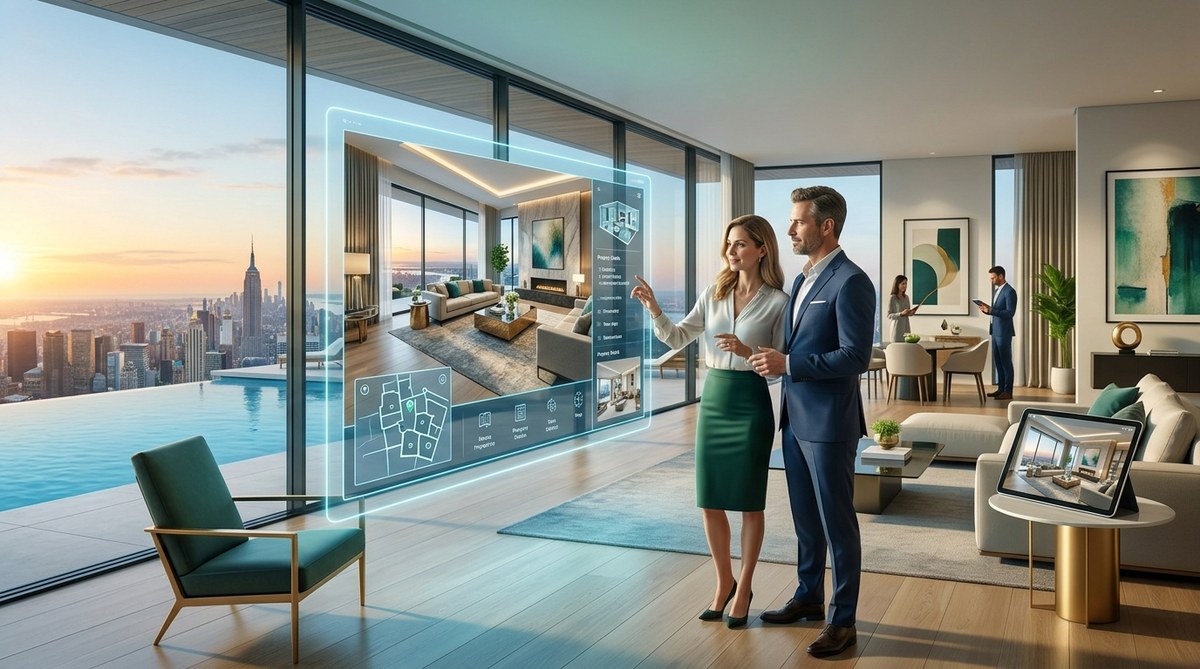
Buying a home is an emotional experience. Luxury buyers, in particular, are not just looking for square footage. They are looking for a lifestyle, a feeling of arrival, and a space that matches their status. Yet most online listings still rely on static photos and flat descriptions. That worked a decade ago. In 2026, it feels dated. High end buyers expect more. They want to walk through a property before they ever book a showing. This is exactly why 3D virtual tours luxury real estate marketing has shifted from a nice extra to a non negotiable expectation. The agents who embrace this technology are not just staying current. They are defining the new standard for how premium homes are bought and sold.
In 2026, 3D virtual tours are the baseline for luxury real estate marketing. Buyers expect to walk through a property from anywhere in the world before they ever schedule an in person visit. For agents, this means higher quality leads, shorter selling cycles, and stronger pricing power. This guide explains why 3D virtual tours luxury real estate is the standard, how to use them, and what mistakes to avoid.
## Why 3D Virtual Tours Matter More Than Ever
Luxury buyers do not browse casually. They research, compare, and eliminate options before they ever contact an agent. In 2026, the first impression is almost always digital. A static gallery of beautiful photos is no longer enough. Buyers want to walk through a property as if they were physically there, and they expect that experience from their phone, tablet, or laptop.
3D virtual tours luxury real estate buyers have come to expect. They offer a level of depth that photos simply cannot match. Instead of flipping through twenty images, a buyer can move through a home room by room, check the ceiling height, look out the window, and understand the flow of the floor plan. This is not a trend. It is the new baseline for high end listings.
For luxury agents, this shift changes how properties are marketed, how buyers qualify themselves, and how offers are made. If you are still relying on static photos alone, you are already behind. Let’s explore why 3D virtual tours have become the new industry standard for luxury listings in 2026.
## Why 3D Virtual Tours Matter More Than Ever
Luxury buyers expect more than a photo gallery. They want a sense of place. They want to move through a home as if they were there. 3D virtual tours deliver that feeling without requiring a physical visit.
Think about the modern buyer. They are busy, often out of state or even out of country. They have shortlists and tight schedules. A static photo can show a marble countertop, but it cannot show the flow from the kitchen to the great room. A 3D tour can. It lets buyers walk through the foyer, glance into the dining area, and step out to the terrace, all from their laptop or phone.
For luxury real estate, this is not a nice to have. It is table stakes. Buyers in this segment expect a polished digital experience. They compare multiple high end homes in one afternoon. If your listing feels flat, they move on.
This article explains why 3D virtual tours luxury real estate listings are no longer optional. It also shows you how to use them well.
## Why 3D Virtual Tours Have Become the Baseline
Buyers used to scroll through photos and guess. Not anymore. They want to walk through a home before they ever contact an agent. 3D virtual tours luxury real estate buyers can explore from their couch have changed the game.
Think about the luxury buyer. They have limited time. They have high standards. They have seen everything. A flat photo gallery does not impress them. A 3D tour lets them move from room to room, check natural light, and imagine furniture placement without leaving their current home.
Luxury listings demand this level of immersion. A static image can hide flaws, but it can also hide potential. 3D tours show off the flow of a floor plan, the scale of a great room, and the way light moves through a space. That is why 3D virtual tours luxury real estate listings are no longer a nice to have. They are the new baseline.
Buyers in 2026 expect more than a slideshow. They want to walk through a property from their phone, pause in the kitchen, zoom into the marble veining, and mentally place their own furniture. If your marketing still relies on flat photos alone, you are already behind.
## Why 3D Virtual Tours Have Become the New Standard
Luxury buyers are busy. They are often relocating, traveling, or managing tight schedules. Static photos do not tell the whole story. A 3D virtual tour does. It gives buyers a true sense of scale, light, and flow without stepping onto the property.
The luxury market has shifted. Buyers now expect an immersive experience from the first click. In 2026, a listing without a 3D virtual tour feels incomplete. It signals that the seller is behind the curve. It also makes a property look less desirable when compared to a competing listing that offers a fully interactive walkthrough.
For agents, the math is simple. Listings with 3D virtual tours generate more engagement, hold attention longer, and attract more qualified buyers. The technology has moved from a differentiator to a baseline expectation. This is especially true in the luxury segment, where buyers expect a high degree of transparency and convenience.
### Why 3D Virtual Tours Matter for Luxury Real Estate in 2026
Luxury buyers do not browse casually. They are busy, discerning, and often searching from another city or country. A static photo simply cannot convey the flow of a great room, the scale of a chef’s kitchen, or the way natural light moves through a penthouse. A 3D virtual tour solves this by letting buyers walk through a property as if they were there, at any hour, from any device.
The luxury market in 2026 is more competitive than ever. High end buyers expect a polished digital experience before they ever schedule a private showing. If your listing lacks interactive 3D virtual tours, you risk losing them to a competitor who offers that experience. This is no longer a differentiator. It is table stakes.
3D virtual tours have become the standard for luxury real estate because buyers expect immersive, interactive previews that save time and build trust. Agents who adopt this technology in 2026 see stronger engagement, shorter selling cycles, and a clear competitive edge over listings that still rely on static photos.
## Why 3D Virtual Tours Matter More Than Ever
Luxury buyers do not casually browse. They compare. They research. They expect a digital experience that matches the price point of a premium home. Static photos no longer tell the full story. Buyers want to walk through a property at their own pace, revisit the kitchen island, and imagine morning coffee in that sunroom.
3D virtual tours luxury real estate marketing has shifted from a nice extra to a nonnegotiable expectation. In 2026, the most successful agents treat immersive tours as the centerpiece of their listing strategy. The numbers support the shift. Listings with virtual tours receive significantly more views and keep potential buyers on the page longer.
This guide explains why 3D virtual tours have become the new industry standard for luxury listings, how to use them effectively, and what mistakes to avoid.
Luxury buyers expect more than photos. 3D virtual tours deliver immersive, interactive experiences that build trust, save time, and elevate perceived property value. In 2026, they are no longer optional for high end listings. This guide covers why they matter, how to implement them, and the exact mistakes to avoid to stay ahead of the competition.
## Why 3D Virtual Tours Have Become Non Negotiable
The luxury buyer has changed. They scroll on their phone during lunch, compare penthouses while waiting for coffee, and make snap judgments about a property in seconds. Static photos no longer capture the full story. A beautiful kitchen shot helps, but it cannot show the flow from the great room to the terrace. It cannot convey the scale of a grand foyer or the way natural light moves through a primary suite.
3D virtual tours luxury real estate buyers expect in 2026 are not a nice to have. They are the baseline. When a listing lacks an interactive tour, many high net worth buyers simply assume the property is outdated, or they move to the next listing that offers a richer experience. This shift is not a trend. It is the new standard.
## Why 3D Virtual Tours Have Become the Standard
Luxury buyers do not browse the same way as first time buyers. They want options. They want to rule out properties without wasting a flight or a weekend. A 3D virtual tour lets them walk through a home at 2 a.m. from another state or country. It gives them a true sense of flow, proportion, and finish that static photos cannot match.
The shift is not subtle. Listings with 3D virtual tours generate more views, longer time on site, and stronger buyer intent. For luxury real estate, where the price point is high and the buyer pool is global, this technology is no longer a differentiator. It is table stakes.
### Why 3D Virtual Tours Have Become Non-Negotiable
Luxury buyers expect a certain level of convenience. They often search from multiple cities, travel frequently, and value their time. A 3D virtual tour lets them walk through a property at 2 a.m. in pajamas. That alone changes the game.
But the real reason 3D virtual tours luxury real estate listings win in 2026 comes down to behavior. Buyers now filter for immersive experiences. They want to understand flow, proportion, and light before they book a private showing. A static photo can show a room. A 3D tour lets a buyer move through the home, pause, zoom, and imagine their life there.
This emotional connection is the missing piece in most luxury listings. And it is exactly what separates a listing that sits from one that gets multiple offers.
## Why 3D Virtual Tours Matter More Than Ever
Luxury buyers expect a certain level of polish. They are not just looking for square footage. They are looking for a feeling. They want to see how natural light moves through a penthouse. They want to check the flow from the chef’s kitchen to the great room. They want to know if the primary suite feels as spacious in person as it looks in photos.
3D virtual tours deliver that experience. They let buyers walk through a home at their own pace, from their own devices, at any hour. This is not a trend. It is the new baseline for high end listings.
### The Shift Toward Immersive Property Experiences
Luxury buyers expect more than static photos. They want to explore. They want to feel the space. A [3D virtual tour](https://virst.co) gives them that sense of presence without requiring a physical visit. In 2026, that is not a bonus. It is the standard.
The numbers back this up. Listings with interactive 3D tours receive significantly more views and engagement than those with only photos. Buyers spend more time on pages with immersive media. They remember those homes. They share them. And they schedule showings more often.
## Why 3D Virtual Tours Matter for Luxury Real Estate in 2026
Luxury buyers expect a certain level of polish. A grainy photo gallery no longer cuts it. They want to walk through a property at their own pace, revisit spaces, and imagine their lives there. 3D virtual tours deliver that experience without requiring a physical visit. This is why 3D virtual tours luxury real estate listings have moved from a differentiator to a baseline expectation.
High end buyers are often relocating from another city or country. They cannot just pop by for a showing. A fully navigable tour gives them the confidence to shortlist a property before booking a private viewing. It also signals that the listing agent values their time and understands the market.
The luxury segment thrives on detail. Crown molding, imported stone, smart home systems, and custom millwork all matter. A static photo can capture these details. A 3D tour lets buyers move through the space, feel the flow, and imagine living there. That emotional connection is the real driver behind serious offers.
## Why 3D Virtual Tours Have Become the Standard
Buyer expectations have shifted. In 2026, luxury buyers expect more than a photo gallery. They want to walk through a home from their phone, spot the details, and narrow down choices before booking a private showing. 3D virtual tours luxury real estate marketing has moved from a differentiator to a baseline expectation.
The numbers back this up. Listings with immersive 3D tours receive significantly more engagement than static photo listings. They keep buyers on the page longer, reduce time on market, and help agents prequalify serious buyers. For luxury properties, where the price point demands a higher level of consideration, 3D tours are no longer optional. They are a competitive necessity.
This guide breaks down why 3D virtual tours luxury real estate buyers and sellers now expect, how to use them effectively, and what mistakes to avoid in 2026.
## Why 3D Virtual Tours Matter for Luxury Buyers
Luxury buyers have little patience. They scroll through listings during busy days, often from their phones, and they expect accuracy. A 3D virtual tour gives them the ability to walk through a property as if they were there. No other visual format comes close.
High end real estate is about emotion. Buyers need to feel the flow of a floor plan, sense the scale of a great room, and picture their own furniture in a primary suite. A static photo cannot deliver that. A 3D tour can. It lets potential buyers move from the foyer to the kitchen to the terrace without leaving the couch. That convenience builds confidence and emotional connection before the first live viewing.
In 2026, luxury buyers are more informed than ever. They expect a polished digital experience that matches the quality of the home itself. If your listing still relies on flat photos and a basic description, you are already behind. 3D virtual tours are no longer a differentiator. They are the baseline.
## Why 3D Virtual Tours Matter for Luxury Listings
Luxury real estate is different from the standard market. Buyers at this level expect precision, detail, and a sense of space. A 3D virtual tour delivers all three without requiring a physical visit. It lets buyers walk through a property at their own pace, revisit favorite rooms, and imagine their own furniture in the space.
The numbers support this shift. Listings with 3D virtual tours receive significantly more views and keep buyers engaged longer. When buyers can explore a home from their phone or laptop, they filter out properties that do not match before booking an in person visit. That saves your time and theirs. For luxury properties especially, where buyers often live in different cities or countries, 3D tours remove friction and create an emotional pull that photos alone cannot match.
Luxury buyers expect a flawless digital experience. A static gallery no longer feels premium. It feels dated. Interactive tours signal that the property is modern, well maintained, and worth the asking price. They also build trust, because buyers can verify layout, flow, and finishes without stepping inside. That trust translates into stronger offers and fewer wasted showings.
## Why 3D Virtual Tours Have Become the New Industry Standard
Luxury real estate has always been about emotion and aspiration. Buyers do not just purchase square footage. They buy a feeling, a lifestyle, a story. 3D virtual tours luxury real estate buyers experience from their couch deliver that story in a way static photos never could.
The shift did not happen overnight. High speed internet, smartphone adoption, and buyer demand for convenience pushed the industry forward. By 2026, the question is no longer whether to use 3D tours, but how to use them well. Listings without immersive tours now feel flat. Serious buyers expect to walk through a property before they ever pick up the phone.
This article covers why 3D virtual tours have become the new baseline for luxury listings. You will learn the practical steps to implement them, the common mistakes to avoid, and how to measure the return on your investment. By the end, you will know exactly how to position your luxury properties ahead of the market.
## Why 3D Virtual Tours Matter More Than Ever
Luxury buyers are not casual browsers. They expect a premium experience from the first click. A static photo gallery no longer communicates the scale, light, and flow of a high end home. A 3D virtual tour changes that. It lets buyers walk through the property at their own pace, revisit their favorite rooms, and build a genuine emotional connection before they ever schedule a showing.
In 2026, the bar for digital presentation has risen. Listings without immersive visuals feel dated. Buyers scrolling on their phones skip flat images. They want to step inside. They want to feel the marble underfoot, the sunlight across the floor, and the way a great room opens to the kitchen. A 3D virtual tour delivers that feeling. It is no longer a nice extra. It is the new baseline for luxury listings.
Luxury buyers expect immersive, on demand property access. 3D virtual tours for luxury real estate are no longer optional in 2026. They cut time to offer, reduce no show showings, and elevate perceived value. This guide explains why you need them, how to implement them, and how to avoid costly mistakes while building a stronger brand presence. You will learn the exact steps to turn visual content into a measurable competitive advantage.
## Why 3D Virtual Tours Have Become the New Industry Standard
The luxury real estate market has shifted. Buyers are no longer satisfied with static photos and basic floor plans. They want to walk through a home before they ever step foot inside. That is where 3D virtual tours luxury real estate marketing changes everything.
High end buyers expect convenience. They are often relocating, traveling, or juggling demanding schedules. A 3D tour lets them experience a property from anywhere, at any time, without losing the emotional pull of actually walking through the rooms. This is why 3D virtual tours have moved from nice to have to must have.
## Why 3D Virtual Tours Matter More Than Ever
Luxury buyers have high standards. They want detail. They want accuracy. And they want to feel the flow of a home before they visit in person. Static photos still matter, but they only tell part of the story. A 3D virtual tour allows a buyer to move from the grand foyer into the chef’s kitchen, pause at the wine wall, and step out to the terrace, all without leaving their couch.
The luxury market runs on emotion. Buyers do not purchase square footage. They purchase a lifestyle. 3D virtual tours luxury real estate experiences tap directly into that emotional pull. They create a sense of presence. They let buyers imagine themselves hosting dinner parties in the dining room or reading by the fireplace. That emotional connection is what moves a listing from “nice” to “must see.”
## Why 3D Virtual Tours Matter More Than Ever
Luxury buyers have no time for guesswork. They are busy professionals, often buying from another city or even another country. A static photo can hide flaws, but it can also hide the flow of a home. A 3D tour solves that. It lets buyers walk through the property at their own pace, revisit favorite spaces, and get a real feel for the layout before they ever book a showing.
This is why 3D virtual tours luxury real estate listings now dominate the high end of the market. They are not a gimmick. They are a practical response to how modern buyers shop. According to the National Association of Realtors, a vast majority of buyers start their search online. Interactive tours keep them engaged longer. More time on the listing often means a stronger emotional connection. That connection leads to more showings and stronger offers.
But this is not just about keeping up. It is about standing out in a crowded field. Luxury buyers expect a polished, immersive experience. A photo gallery alone no longer cuts it. A 3D walkthrough tells a story. It lets buyers move through the home at their own pace, study the flow, and imagine their own life in the space. That emotional pull is what separates a good listing from a great one.
Why 3D Virtual Tours Matter More Than Ever
The luxury market has changed. Buyers are busier, more informed, and far pickier than before. They do not want to waste a weekend touring homes that do not match the photos. They want a realistic sense of the property before they ever contact an agent. 3D virtual tours deliver that experience.
Think about the buyer journey. A high end buyer sees a listing online. They scroll through photos. Then they hit a 3D tour button. In seconds, they are walking through the living room, checking the kitchen island, and peeking into the primary closet. No agent needed yet. No awkward showing. Just pure, self directed exploration.
That is why 3D virtual tours luxury real estate listings have moved from a nice extra to a nonnegotiable expectation. Buyers now compare properties from their phones, and the ones with immersive tours stand out immediately. Listings without them feel flat, dated, and suspiciously incomplete.
This shift is not just about tech. It is about buyer psychology. When someone can move through a home at their own pace, they form a stronger emotional connection. That connection shortens the sales cycle and builds trust before the first showing.
—
## Why 3D Virtual Tours Have Become the Standard
Buyers in 2026 expect more than static photos. They want to walk through a home without leaving the couch. 3D virtual tours deliver that experience. They let buyers open doors, peek around corners, and imagine their furniture in a space. This is why 3D virtual tours luxury real estate listings now outperform traditional photo only posts.
Luxury buyers are often out of state or even out of country. They want to narrow down choices before booking a private showing. A 3D tour saves everyone time. It filters out mismatches, so the buyers who do book a tour are genuinely interested.
Sellers notice this too. When a luxury home has a 3D tour, it feels more premium and tech forward. It signals that the agent treats the property with extra care. That perception alone can justify the investment.
## The Shift in Buyer Expectations
Luxury buyers in 2026 are not just browsing. They are researching from their phones, tablets, and laptops. They expect a digital experience that mirrors the physical one. Static photos no longer tell the whole story. Buyers want to move through a home, open doors, and imagine themselves living there.
3D virtual tours for luxury real estate deliver that experience. They create a sense of presence that photographs simply cannot match. When a buyer can walk through a penthouse in New York or a waterfront estate in Miami from anywhere in the world, the property becomes more than a listing. It becomes an experience.
The shift is not subtle. High end buyers now filter for properties that offer immersive previews. They skip listings that only show flat images. If you want to stay competitive in 2026, this is the baseline.
## Why 3D Virtual Tours Matter for Luxury Buyers
Luxury buyers are busier than most. They travel often. They have tight schedules. They expect efficiency. A 3D virtual tour lets them experience a property before they ever step foot inside. That matters.
Consider the psychology. High end buyers are not just purchasing square footage. They are purchasing a feeling, a lifestyle, a statement. Static photos show a room. A 3D walkthrough shows how natural light moves through a living room at different times of day. It shows the flow between the chef’s kitchen and the great room. It reveals the way a hallway opens into a private study. That emotional connection is what drives serious offers.
For a deeper look at how to pair 3D tours with other visual marketing, check out our guide on [visual marketing strategies for property listings](https://virst.co/boost-your-property-listings-with-cutting-edge-visual-marketing-strategies/).
## Why 3D Virtual Tours Became the New Standard
Buyers no longer want to settle for static photos. They want to walk through a home from their couch. They want to check the flow of a great room or see how much light the primary suite gets before they book a private showing.
3D virtual tours deliver that experience. They create a sense of presence that photos simply cannot match. When a buyer can move from the foyer to the kitchen to the backyard without leaving the browser, they build emotional attachment faster. That emotional connection is what turns a casual browser into a serious buyer.
Luxury real estate has always been about emotion. High end buyers are not just purchasing square footage. They are purchasing a feeling, a lifestyle, a story. A flat photo can show a room, but a 3D tour lets a buyer imagine themselves walking through the home, pausing at the windows, opening the closet doors, and planning where the furniture might go. That experience is the difference between a looker and an offer.
## Why 3D Virtual Tours Matter More Than Ever in 2026
The luxury market has shifted. Buyers now expect immersive experiences before they ever step on the property. A static gallery of photos no longer cuts it. In 2026, 3D virtual tours luxury real estate listings are the baseline for serious sellers and top agents.
Think about the buyer journey. High net worth individuals are busy. They travel. They compare properties across states. They do not have time to visit every home that looks interesting. A 3D virtual tour lets them walk through a property from anywhere in the world. This is not a gimmick. It is a practical tool that respects the buyer’s time while building genuine interest.
Luxury buyers also expect a certain level of polish. A listing with only flat photos feels dated. A listing with an immersive 3D tour feels curated, professional, and confident. It signals that the agent understands the market and respects the product. That matters when the price point is high and the buyer pool is selective.
The data backs this up. Listings with 3D virtual tours get more views, keep visitors on the page longer, and generate more qualified leads. For luxury real estate, where buyers often search from another city or even another country, the ability to explore a property remotely is no longer a bonus. It is the baseline.
Why This Shift Is Happening Now
Buyer expectations have changed. In 2026, high net worth buyers expect a frictionless digital experience. They want to walk through a penthouse, feel the ceiling height, and check the view from the balcony without booking a cross country flight. 3D virtual tours luxury real estate listings provide exactly that. They deliver a sense of presence that photos alone cannot match.
Luxury buyers expect more than pretty photos. Interactive 3D tours build trust, save time for agents and clients, and turn online browsing into serious inquiries. In 2026, this technology is no longer optional for high end listings. It is the baseline for agents who want to stay competitive.
## Why 3D Virtual Tours Are the New Industry Standard for Luxury Listings in 2026
Luxury real estate has always been about the feeling a home creates. The light sweeping across marble floors. The way a chef’s kitchen flows into a great room. Static photos can hint at those moments, but they cannot let a buyer move through a space. That is why 3D virtual tours have become the new baseline for high end listings. Buyers now expect to walk through a property before they ever schedule a showing. If you are not offering that experience, you are already behind.
This shift is not a trend. It is a response to how high net worth buyers actually shop. They research, compare, and narrow down long before they contact an agent. A listing without an immersive tour feels flat. One with a polished 3D experience feels current, transparent, and serious. In 2026, 3D virtual tours are no longer a luxury add on. They are the entry ticket for luxury real estate marketing.
Buyers now expect interactive property exploration before they ever schedule a showing. 3D virtual tours luxury real estate listings generate more engagement, filter out unqualified buyers, and build emotional connection at scale. Agents who adopt this technology in 2026 will shorten sale cycles, justify premium pricing, and position their brand as forward thinking. This guide explains why the technology is essential and how to implement it effectively without wasting budget or time.
## Why 3D Virtual Tours Have Become the New Standard
The luxury real estate market has changed. Buyers no longer settle for a handful of photos and a hopeful description. They expect to walk through a home from their phone, tablet, or laptop before they ever schedule an in person visit. This is why 3D virtual tours luxury real estate listings have shifted from a differentiator to an expectation.
High end buyers are busy. Many are relocating from other cities or countries. They do not have time to visit every property that catches their eye. A 3D tour lets them experience the flow of a home, the scale of each room, and the quality of finishes without leaving their current house. For luxury agents, this is not just a nice extra. It is the difference between a serious inquiry and a scroll past your listing.
The shift is visible across major US markets. Buyers in New York, Los Angeles, and Miami now expect a digital walkthrough before they even schedule a private showing. In 2026, that expectation has become table stakes. If your luxury listing lacks a 3D virtual tour, you are not just losing a competitive edge. You are signaling that the property may not be worth a second look.
3D virtual tours are no longer optional for luxury real estate in 2026. Buyers expect immersive, interactive experiences that save time and build emotional connection. Agents who adopt this technology see higher engagement, stronger leads, and faster sales. This guide explains why 3D tours now define the luxury standard and how to use them effectively.
## Why 3D Virtual Tours Have Become the New Standard
Luxury buyers do not browse casually. They have little patience for grainy photos or vague room descriptions. When they search for a high end property, they expect a polished experience from the first click. That is exactly why 3D virtual tours luxury real estate marketing has shifted from a nice extra to a must have feature in 2026.
A 3D virtual tour lets a buyer walk through a home as if they were there. They can move from the foyer to the kitchen, glance out the window, check closet depth, and get a real feel for the flow of the floor plan. This level of immersion saves time for both buyers and agents. It also filters out less serious shoppers before they ever book a visit.
For luxury listings, this matters even more. High end buyers have little patience for properties that do not match their expectations. A virtual tour sets the tone before the front door even opens.
Why 3D Virtual Tours Luxury Real Estate Buyers Expect
Buyer expectations have shifted. A static photo gallery no longer feels complete. In 2026, luxury buyers expect a fully immersive experience from the comfort of their own home. They want to walk through the foyer, check the kitchen island, and step onto the terrace without touching a single doorknob.
3D virtual tours deliver that experience. They let buyers move through a home at their own pace, revisit favorite rooms, and build an emotional connection before they ever schedule a visit. For high end properties, this is not just a nice extra. It is becoming the baseline.
Luxury buyers are often busy professionals, many relocating from other cities or countries. For them, a static photo gallery is not enough. They want to understand flow, proportion, and natural light. A 3D tour answers those questions without requiring a physical visit. That saves everyone time and reduces the number of unqualified showings.
### Why 3D Virtual Tours Have Become the Industry Standard
The shift did not happen overnight. For years, luxury listings relied on professional photography and cinematic video. Those assets still matter. But they no longer stand alone. Buyers now expect a fully immersive experience before they ever step onto the property. This is where 3D virtual tours luxury real estate professionals use every day come into play.
A 3D virtual tour lets potential buyers walk through a home at their own pace. They can inspect the kitchen, measure the living room with their eyes, and imagine their own furniture in the primary suite. It feels personal, even though they are miles away. This experience builds emotional connection, which is essential when selling high-end homes.
In 2026, this is not a novelty. It is the baseline. Buyers who browse luxury listings expect to move through a home as if they were there. If your listing still relies on static photos alone, you are already behind.
## Why 3D Virtual Tours Have Become the Standard
Luxury buyers are busier than ever. They scroll through dozens of listings in a single sitting. They have high expectations. They want to see the flow of a home, the scale of a room, the way light moves through a space. A photo grid cannot deliver that. A 3D virtual tour can.
Consider the numbers. Listings with virtual tours get more clicks, more shares, and more time on page. Search engines notice this behavior. When buyers stay longer and engage with your listing, your property ranks higher in search results. That means more organic traffic, more qualified leads, and a stronger position in the luxury market.
Virtual tours also cut down on wasted showings. Buyers who have already walked through the home digitally arrive with genuine interest. They know the layout. They have felt the flow. They are not exploring for the first time. That saves everyone time and positions your brand as efficient and thoughtful.
## Why 3D Virtual Tours Have Become Nonnegotiable
Luxury buyers expect more than photos. They want to experience a home before stepping inside. 3D virtual tours deliver that experience instantly, on any device, at any hour. In 2026, this is not a differentiator. It is the baseline. Listings without immersive tours feel dated, and in a competitive market, dated equals invisible.
The shift started years ago, but the pandemic accelerated it. Now buyers who shop for high end properties often do so from another state or even another country. They narrow down options online before they ever contact an agent. If your listing only has flat photos, you are already behind.
Virtual tours do more than show a room. They convey scale, flow, and light. They let buyers mentally place themselves in the space. That emotional connection is what moves luxury properties quickly. A well crafted 3D tour builds trust, reduces time wasting showings, and positions you as a premium agent.
## Why 3D Virtual Tours Matter More Than Ever
Luxury buyers have changed how they search. They start online. They compare listings side by side. They expect a polished, immersive experience before they ever step foot in a home. Static photos no longer tell the full story.
A 3D virtual tour gives buyers the ability to walk through a property as if they were there. They can check the flow between rooms, gauge proportions, and imagine their own furniture in the space. This level of interaction builds emotional connection. It also saves time for both buyer and agent.
In 2026, the standard for luxury listings is not a photo gallery. It is an experience. Buyers want to feel the marble under their feet, see the light pour through floor to ceiling windows, and understand the layout before they schedule a private showing. 3D virtual tours luxury real estate offerings deliver exactly that.
## Why 3D Virtual Tours Are the New Industry Standard for Luxury Listings in 2026
Luxury real estate has always been about emotion. Buyers do not purchase square footage. They buy a feeling, a lifestyle, a story. A static photo cannot capture that story. A 3D virtual tour can. In 2026, this is no longer a nice to have. It is the standard.
High end buyers expect to explore a property from every angle before they ever step on site. They are busy, they are discerning, and they have options. If your listing does not offer an immersive experience, they will scroll past it. That is the reality of the modern luxury market.
## Why 3D Virtual Tours Have Become Non-Negotiable
Luxury buyers do not browse casually. They research intensely. They compare properties across cities, time zones, and continents. A static gallery of beautiful photos is no longer enough. They want to walk through the home, check the flow of the rooms, and understand the scale before they book a private showing.
3D virtual tours deliver that experience. They let buyers move from the foyer to the primary suite, glance into the kitchen, and step out to the terrace without leaving their current home. For luxury listings, this changes everything.
The numbers back it up. Listings with virtual tours receive significantly more views than those without. Buyers spend more time on pages with immersive tours. And properties with 3D walkthroughs generate more qualified leads because the buyer already knows the layout before scheduling a visit.
In 2026, this is no longer a differentiator. It is table stakes. If your luxury listing lacks a 3D tour, you are handing buyers to a competitor who has one. The rest of this guide explains why 3D virtual tours have become the new baseline for high-end real estate and how you can use them to win more listings and close deals faster.
Luxury buyers expect instant, immersive access to a property. 3D virtual tours are no longer a nice extra; they are the standard for high end listings in 2026. They cut wasted showings, build trust, and boost time on page. This guide explains why, how to implement them, and what mistakes to avoid.
## Why 3D Virtual Tours Have Become Non-Negotiable
Luxury real estate has always been about emotion. Buyers do not purchase square footage. They buy a feeling, a lifestyle, a vision of their next chapter. Static photos still matter, but they no longer carry the weight they once did. In 2026, the buyers who shop for high end homes expect more. They expect to walk through a property before they ever pick up the phone.
3D virtual tours luxury real estate buyers can explore from their couch have changed the game. These immersive experiences let potential buyers move from room to room, check sightlines, and understand spatial flow. For luxury listings, this is no longer a nice to have. It is the new baseline.
Buyers in the upper end of the market are busy. Many are relocating from other cities or even countries. They do not have time to visit every property in person. A well crafted 3D tour respects their time while building trust. It shows the listing in full detail, which filters out the curious and attracts the serious.
This article explains why 3D virtual tours have become the new industry standard for luxury real estate in 2026. You will learn the practical steps to add them, the mistakes to avoid, and how to measure the return on your investment.
Luxury buyers expect a cinematic, interactive property experience before they ever step on site. 3D virtual tours are no longer optional for high end listings. They shorten sale cycles, attract remote buyers, and elevate perceived value. Agents who adopt this technology in 2026 gain a clear edge over competitors still leaning on static photos. This guide covers why 3D tours matter, how to use them strategically, and the exact steps to implement them for luxury listings.
## Why 3D Virtual Tours Have Become Non-Negotiable
Luxury real estate has always been about emotion. Buyers do not just purchase square footage. They buy a feeling, a lifestyle, a story. But in 2026, attention spans are short and expectations are high. A static photo no longer tells the full story.
3D virtual tours change that completely. They let buyers walk through a property from anywhere in the world. They create presence. They build confidence. For high end listings, this is no longer a nice extra. It is the new baseline.
Think about how your best buyers behave. They scroll through listings in bed, on a lunch break, or between meetings. They compare properties fast. If your listing only has photos, you are already behind. A 3D virtual tour for luxury real estate listings gives your buyer a sense of scale, flow, and light that photos simply cannot match. It lets them imagine living there before they ever step inside.
## Why 3D Virtual Tours Matter More in 2026
Buyers have changed how they shop. The days of flipping through static photos are fading. High end buyers expect more. They want to walk through a property from their phone, their laptop, or even a VR headset. 3D virtual tours luxury real estate buyers can navigate on their own schedule have moved from nice to have to must have.
This shift is not just about keeping up with trends. It is about meeting buyer expectations. A luxury buyer does not have time to visit twenty homes. They want to shortlist from their couch. They want to feel the flow of a floor plan, check the natural light in the kitchen, and get a sense of the master suite. A 3D tour delivers all of that without a single showing.
In 2026, 3D virtual tours are no longer a differentiator. They are the baseline. If your luxury listing does not offer an immersive experience, buyers will simply scroll to a competitor who does. This guide explains why 3D virtual tours have become the new industry standard and how you can use them to win more high end listings.
## Why 3D Virtual Tours Matter More Than Ever
Luxury buyers expect a premium experience. They browse on their phones between meetings. They compare properties while sitting on a plane. They want to walk through a home without scheduling conflicts or travel delays. A 3D virtual tour delivers exactly that.
The shift is not subtle. Real estate marketing has moved from static photos to interactive experiences. Buyers no longer want to imagine a floor plan. They want to move through the space, check the natural light, and understand the flow of the home. For luxury listings, this is no longer optional. It is the standard.
When you present a high end property with 3D virtual tours, you give buyers the ability to explore every room, see proportions, and build an emotional connection before they ever step on site. That emotional connection is what drives serious inquiries and faster offers.
## Why 3D Virtual Tours Matter More Than Ever
Luxury buyers expect convenience. They are often busy professionals, many relocating from another city or country. For them, time is the most valuable asset. A 3D virtual tour lets them walk through a property at 2 a.m. in their pajamas, narrowing down options before scheduling an in person visit. That experience is no longer a nice to have. It is the new baseline.
Think about the buyer journey. Most high end buyers begin online. They scroll through listings, compare finishes, and mentally eliminate properties before ever stepping foot on site. If your listing only has flat photos, you are asking them to imagine what they cannot see. 3D virtual tours remove that friction. They let buyers move from room to room, check the flow of the floor plan, and get a real feel for scale and light.
For luxury real estate agents, this is not just a trend. It is a competitive advantage. And in 2026, it is the new industry standard.
## Why 3D Virtual Tours Matter More Than Ever
Luxury buyers expect more than a few glossy photos. They want to feel the space before they visit. A 3D virtual tour delivers that feeling by letting viewers walk through a property at their own pace. It builds emotional connection early. It also filters out buyers who would waste your time because they can already tell the home is not right for them.
For high end listings, time is precious. Buyers are often busy professionals. They may be relocating from another state or country. They cannot always visit in person. A 3D tour bridges that gap. It lets them explore every room, check the views, and evaluate the flow of the home. This is why 3D virtual tours luxury real estate buyers expect in 2026 is no longer a bonus. It is a baseline.
Luxury buyers expect instant, immersive access to high end homes. 3D virtual tours deliver that experience while building trust, saving time, and reducing wasted showings. This guide covers why 3D tours have become the industry standard in 2026, how to use them strategically, and the exact mistakes to avoid.
## Why 3D Virtual Tours Matter More Than Ever
Luxury real estate is about emotion. Buyers want to feel the light coming through floor to ceiling windows. They want to sense the open layout before they step inside. A static photo cannot deliver that. A 3D virtual tour can.
In 2026, high end buyers expect more than a photo gallery. They expect to walk through a property from anywhere in the world. They expect to open a link and move from the foyer to the primary suite without changing apps. This shift is not a trend. It is the new baseline for luxury listings.
Buyers who browse 3D virtual tours luxury real estate options tend to spend more time on the listing page. That extra time builds attachment. It helps buyers picture themselves living there. For agents, this means stronger leads, fewer wasted showings, and a clear edge over competitors who still rely on flat photos.
## Why 3D Virtual Tours Have Become the Standard
Luxury buyers expect a polished experience. A static gallery no longer feels special. It feels flat. A 3D walkthrough, on the other hand, invites the buyer to move through the home at their own pace. They can study the kitchen island, look out the window, and understand the flow of the floor plan.
This is why 3D virtual tours have moved from “nice to have” to “must have” in 2026. High end buyers often tour homes from another city or even another country. They want to narrow down their options before booking a private viewing. A well crafted virtual tour respects their time and builds confidence.
Virtual tours also reduce wasted showings. Agents can qualify buyers more effectively. If a buyer has already walked the home in 3D and still wants to see it in person, the listing is a serious match. That saves everyone time and keeps the sales process moving faster.
## Why 3D Virtual Tours Are No Longer Optional
The luxury market has shifted. Buyers expect more than static photos. They want to walk through a home, open the closet doors, and check the view from the terrace, all from their phone. 3D virtual tours deliver that experience.
Think about the current buyer journey. Most high end buyers start online. They scroll, compare, and eliminate. If your listing only has photos, you are asking them to imagine. A 3D tour removes the guesswork. It creates an emotional connection before the buyer ever steps on site. That connection is what moves a property from a bookmark to a private showing request.
### Why 3D Virtual Tours Have Become the Benchmark for Luxury Listings
Luxury real estate is about emotion. It is about light, proportion, flow, and detail. A flat photo can hint at those qualities, but a 3D virtual tour lets a buyer move through the space as if they were there. That experience builds confidence. It filters out tire kickers and attracts qualified buyers who already feel at home before they schedule a visit.
The shift is not subtle. In 2026, buyers expect more than a gallery of pretty photos. They want to walk the marble hallway, check the view from the penthouse terrace, and gauge the openness of a chef’s kitchen without leaving the couch. Listings that offer this level of immersion spend less time sitting on the market and generate stronger offers. For luxury real estate agents, 3D virtual tours are no longer a differentiator. They are the baseline.
## Why 3D Virtual Tours Matter More Than Ever
Luxury buyers are busy. Many are relocating from other cities or countries. They make high stakes decisions quickly. Asking them to imagine a home from flat photos is no longer enough. A 3D virtual tour lets them walk through the property as if they were there, at any hour, from any device. This sense of presence builds emotional connection long before the physical showing.
The current market in 2026 is more competitive than ever. High end properties sit side by side with new construction and renovated resales. Buyers have endless options. Sellers expect their agent to stand out. 3D virtual tours luxury real estate listings do exactly that. They create an immersive experience that static photos simply cannot match.
For luxury listings, the stakes are even higher. Buyers in this segment expect a polished, cinematic experience. A grainy photo set no longer impresses. A fully interactive 3D walkthrough does. It signals that the listing is serious, the agent is tech forward, and the property is worth attention.
Why 3D Virtual Tours Matter for Luxury Real Estate in 2026
Luxury buyers often search from another city, state, or even country. They may be relocating, investing, or buying a second home. They cannot always visit in person right away. A 3D virtual tour bridges that gap. It lets them walk through the property from anywhere, at any time, on any device.
The result is a stronger emotional connection. And in luxury real estate, emotion drives decisions. When a buyer can move from the foyer to the primary suite in a single fluid motion, they start picturing their life in the home. That feeling is hard to create with static photos.
In 2026, this is no longer a nice to have. It is the new baseline. Buyers expect it. Agents who offer it stand out. Those who do not get left behind.
Luxury buyers in 2026 expect more than static photos. 3D virtual tours let them walk through a home from anywhere, saving time and building emotional connection. For agents, these tours mean stronger engagement, fewer low quality leads, and a clear competitive edge. This guide explains why 3D tours are now the industry benchmark and how to use them to close high end listings faster.
## Why 3D Tours Are No Longer Optional
Luxury real estate has always been about emotion. Buyers need to picture themselves in the space, hosting dinners, relaxing by the fireplace, waking up in the primary suite. A static photo can suggest that story, but it cannot let the buyer live it. That is why 3D virtual tours luxury real estate marketing has moved from a nice extra to a table stakes feature in 2026.
The shift is not subtle. High end buyers expect a level of convenience that matches how they shop for everything else. They browse on their phones, they compare properties from the couch, and they make quick decisions about which homes are worth a visit. If your listing only offers flat photos, you are asking buyers to work harder than they want to. That friction costs you showings.
Luxury buyers in 2026 expect more than pretty photos. 3D virtual tours deliver immersive, interactive property experiences that build trust, save time, and increase engagement. For high end listings, this technology is no longer optional; it is the new baseline for serious marketing and faster sales.
## Why 3D Virtual Tours Have Become the New Luxury Standard
Luxury real estate has always sold on emotion. Buyers do not just purchase square footage. They buy a feeling, a lifestyle, a vision of how their mornings start and where they host dinner. Static photos can hint at that story, but they cannot let a buyer walk through the home. That is why 3D virtual tours have moved from a nice extra to a non negotiable expectation in 2026.
High end buyers are busier than ever. Many are relocating from other states or even other countries. They want to narrow down choices before booking a private showing. A well crafted 3D tour gives them that power. It lets them move through a home at their own pace, revisit favorite spaces, and get a real sense of flow. For agents, this technology is no longer a differentiator. It is the baseline.
## Why 3D Virtual Tours Matter More Than Ever
Buyers today expect more than a photo gallery. They want to walk through a property without leaving the couch. That shift in behavior has made 3D virtual tours a must have for luxury listings in 2026. High end buyers are busy. They often search from another city, state, or country. A 3D tour lets them explore every room, check proportions, and evaluate finishes in a way that static images cannot match.
Luxury real estate is about emotion. Buyers need to picture themselves hosting dinner parties in that open concept kitchen or reading by the fireplace. A well executed 3D tour delivers that feeling. It creates a sense of place. It builds confidence. And it saves everyone time by filtering out buyers who would not be a good fit.
The result? Shorter days on market, stronger offers, and fewer wasted showings. For agents working with high end properties, this is no longer a nice to have. It is the new baseline.
## Why 3D Virtual Tours Have Become the Standard
Luxury buyers expect more than flat photos. They want to walk through a home from their phone, laptop, or VR headset. 3D virtual tours deliver that experience. They let buyers move from room to room, check proportions, and imagine themselves living there. That emotional connection is what moves high end listings faster.
The technology has matured. Platforms now offer smooth, interactive walkthroughs that work on any device. No special app is required. No technical skill is needed from the buyer. They simply click and explore.
For agents, the math is simple. Listings with 3D virtual tours get more attention. They keep buyers on the page longer. They reduce time wasting visits from buyers who were never a good fit. And they signal that you are a serious player in the luxury market.
Why 3D Virtual Tours Matter More Than Ever in 2026
The luxury buyer has changed. They expect a tailored experience from the very first click. A static photo gallery no longer impresses them. They want to walk the property, open the closet doors, and check the view from the balcony, all before they book a private showing.
3D virtual tours deliver that experience. They are not a gimmick. They are the new visual standard for high end listings.
Buyers who browse luxury real estate online spend more time with listings that offer interactive experiences. They also self qualify before contacting an agent. That means fewer wasted showings and more serious buyers. For agents, this translates into better lead quality and a stronger market position.
## Why 3D Virtual Tours Have Become the Industry Standard
The shift did not happen overnight. It took years of consumer behavior changes, faster internet, and better cameras. In 2026, 3D virtual tours are no longer a differentiator. They are a baseline expectation.
Luxury buyers want control. They want to explore a property on their own terms, at their own pace. A static photo gallery no longer tells the full story. A 3D tour lets them walk through a home, inspect the finishes, and understand the flow of the space without leaving the couch. That convenience is why 3D virtual tours luxury real estate listings see more engagement and longer time on page.
Buyers today are more informed than ever. They have already seen the photos and read the description. What they crave is the feeling of actually being there. 3D virtual tours deliver that feeling. They create emotional connection. They build confidence. And they help serious buyers narrow their list before they ever step foot in the door.
For luxury listings, the stakes are even higher. High end buyers expect a flawless digital experience. A grainy photo set or a poorly edited video will not cut it. A polished 3D walkthrough signals that the property is premium, the agent is professional, and the service level matches the price tag.
Why 3D Virtual Tours Became the New Standard for Luxury Real Estate
The luxury market runs on exclusivity, convenience, and emotional impact. Buyers at this level often have demanding schedules. They may be relocating from another state or country. They might be narrowing down a shortlist of multimillion dollar properties before they ever step foot inside. This is where 3D virtual tours luxury real estate buyers expect to see more than static photos. They want to move through the home, understand the flow, and picture themselves living there.
A 3D virtual tour delivers that experience. It turns a listing into an interactive journey. Buyers can walk from the grand foyer into the chef’s kitchen, step out to the terrace, and check the view from the primary suite. They control the pace. They explore what interests them. That sense of agency builds confidence and reduces the number of low quality showings.
For 2026, the standard is not just having a tour. It is having a tour that feels effortless, cinematic, and emotionally resonant. The properties that win are the ones that let buyers feel the home before they ever step inside.
## Why 3D Virtual Tours Have Become a Non Negotiable for Luxury Listings
Luxury buyers are different. They value privacy, convenience, and discernment. Many are browsing from other states or countries. Some are comparing multiple high end properties in one weekend. For them, time is the most expensive part of the transaction.
A 3D virtual tour solves this by offering a full walkthrough without a physical visit. It filters out the curious and attracts the serious. In 2026, this is not a nice to have. It is the baseline.
Buyers expect to move through a home at their own pace. They want to feel the flow from the foyer to the primary suite. They want to stand on the terrace, look at the view, and imagine their morning coffee there. A static photo cannot deliver that emotional connection. A 3D tour can.
Luxury buyers expect more than photos. In 2026, 3D virtual tours for luxury real estate are the baseline for serious listings. They cut wasted showings, attract qualified buyers, and increase time spent on your listing. Agents who skip this technology risk losing high end clients to competitors who offer immersive, interactive experiences. This guide covers the exact ways to use 3D tours to elevate your marketing and close sales faster. (75 words)
## Why 3D Virtual Tours Matter More Than Ever
Luxury real estate has always been about emotion. Buyers do not purchase square footage. They purchase a feeling, a lifestyle, a vision of their future mornings with coffee on a terrace overlooking the skyline. Static photos still matter, but they no longer carry the sale. In 2026, 3D virtual tours luxury real estate marketing is the new baseline. Buyers expect to walk through a property from their phone, their laptop, or their VR headset before they ever contact an agent.
The shift is not subtle. High net worth buyers are busy. They often evaluate properties from another city or even another country. Asking them to schedule an in person visit for every potential home is outdated. A 3D virtual tour respects their time, builds confidence, and filters out properties that do not match. For agents, this means more qualified buyers and shorter selling cycles.
But this is not just about keeping up. It is about standing out. Listings with immersive 3D tours get more engagement, hold attention longer, and create a stronger emotional connection than flat photos ever could. In 2026, luxury buyers expect this experience. They want to walk through a penthouse or a waterfront estate from their phone, tablet, or laptop. They want to feel the flow of a great room before they ever book a private showing.
This guide explains why 3D virtual tours have become the new baseline for luxury listings. You will learn how to use them, what they cost, and how to measure the return. You will also see how to avoid common mistakes and position your brand as a leader in high end real estate marketing.
3D virtual tours have moved from a differentiator to a buyer expectation in the luxury segment. Listings with immersive tours generate more engagement, longer on site dwell time, and stronger lead qualification. For 2026, agents who adopt interactive walkthroughs gain a serious competitive edge while those who delay risk looking outdated. This guide explains why the technology matters, how to use it well, and what mistakes to avoid.
## Why 3D Tours Are No Longer Optional
Luxury real estate has always sold on emotion. Buyers do not purchase square footage. They buy a feeling, a lifestyle, a vision of their next chapter. Static photos still matter, but they only tell part of the story. A 3D virtual tour lets buyers walk through a home as if they were there, without ever leaving the kitchen table.
In 2026, this is no longer a differentiator. It is table stakes. The most successful agents already use immersive tours to prequalify buyers, reduce time on market, and justify premium price points. If you are still relying on flat images alone, you are losing serious ground to competitors who let buyers open the front door from their phone.
## Why 3D Virtual Tours Matter for Luxury Real Estate
Luxury buyers are busy. They often search from another city or even another country. They do not have time to visit every property in person. A 3D v